- Nov 16
NASA's Voyager 1 confirms it is one light-day, about 26 billion km, from Earth
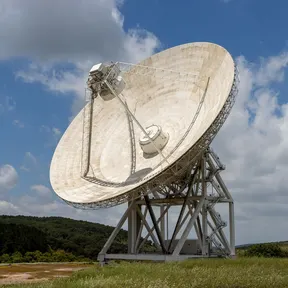
NASA's Voyager 1 probe is now about 26 billion kilometres from Earth, so its radio signals need 24 hours to arrive. Controllers confirmed the light-day distance on Thursday, 19 November, after the probe reached it on 18 November.
- Nov 16
United Launch Alliance Vulcan rocket fails, losing 40 Amazon Leo satellites
A Vulcan rocket from United Launch Alliance failed about 10 minutes after liftoff from Florida on Sunday, 15 November, and its 40 Amazon Leo satellites never reached orbit.
- Nov 14
Voyager 1 set to become first human-made object one light-day from Earth on 18 November
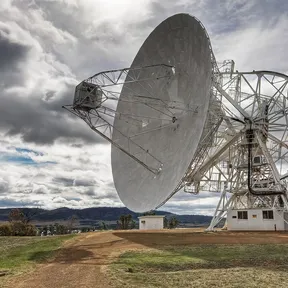
NASA expects Voyager 1 to pass the one light-day mark at 10:16 GMT on 18 November, roughly 26 billion kilometers from Earth. The agency has asked people to flash the probe's call sign, V-G-R, in Morse code after sunset on 17 November.
- Nov 5
Blue Origin delays New Glenn's next launch to January 2027 after May pad explosion
Blue Origin will not fly its New Glenn rocket again in 2026, CEO Dave Limp told staff in a memo on Wednesday, 4 November. The company is still rebuilding its only New Glenn launch pad in Florida after a May explosion.
- Nov 3
NASA's Swift telescope falls to Earth over Sumatra after failed rescue
After 22 years in orbit, NASA's Swift telescope re-entered over Indonesia on Wednesday, 4 November, less than three months after a private rescue mission failed. Most of the spacecraft was expected to burn up, and no damage had been reported.
- May 27
NASA Awards Hundreds of Millions to Blue Origin and Others to Build a Permanent Moon Base by the 2030s
Less than two months after a historic crewed flyaround, NASA has awarded contracts to Blue Origin, Astrolab, Lunar Outpost, and Firefly Aerospace to deliver landers, rovers, and drones to the lunar south pole, marking the first phase of a permanent settlement.

